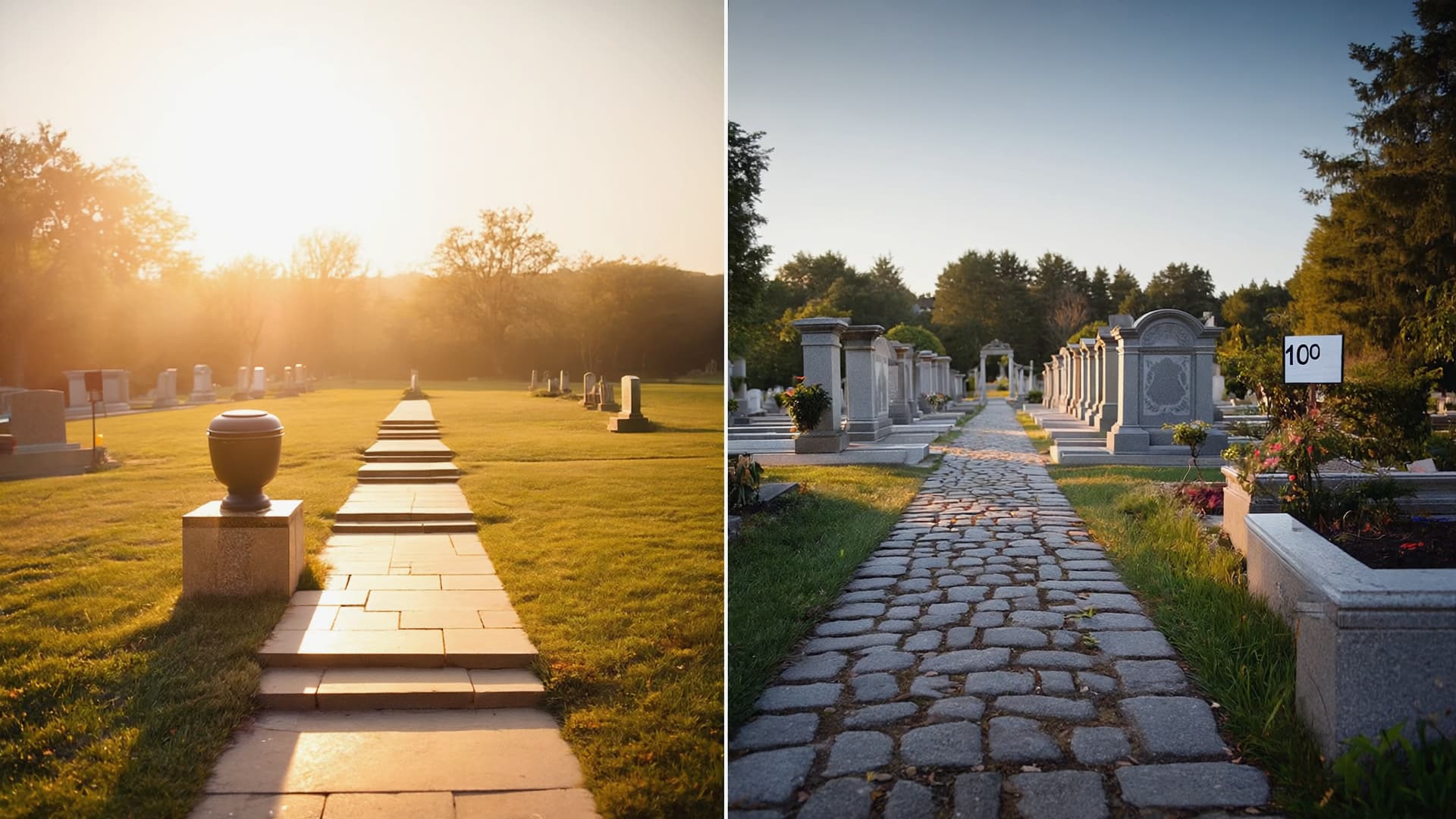
The decision between cremation and burial has become more than just a matter of tradition when it comes to final goodbye planning in Australia; it is now a major financial and environmental consideration. More and more Australian families are considering the future expenses of a permanent graveyard in comparison to the contemporary flexibility of ash memorialisation, as the shortage of land in major cities such as Sydney and Melbourne drives up funeral fees to record highs in 2026. Cremation vs. burial costs are important to know whether you are making plans ahead of time to help your loved ones or are dealing with a sudden loss. For your financial and environmental benefit, we have included both upfront and hidden prices, as well as new “green” options, so that you may make a well-informed decision.
Quick Look: Comparison Table for 2026
| Feature | Cremation Services | Burial Services |
| Typical Price Range | $3,500 – $8,500 | $8,000 – $19,000+ |
| Property Need | Zero (or a limited subset) | 2.5 sq. m. lot (Interment Site) |
| Flexibility | To the heavens (Memorial) | Prearranged (often 7–14 days) |
| Impact on the Environment | Use of energy is low to moderate. | Factor (Use of land versus natural alternatives) |
The 7 Most Common Concerns Regarding Funerals in Australia
1. In the year 2026. How much does a funeral typically cost in Australia?
Right now, you may expect to pay anywhere from $6,000 to $15,000 for a funeral, with the exact amount dependent on your region and the service you select. While a conventional burial with all the trimmings can easily cost over $10,000, the “no-service” option is still the most budget-friendly. Prices tend to be higher in major cities like Sydney and Melbourne because of administrative fees and the demand for land.
2. What about the cost? Is cremation less expensive than burial?
It is true that a cremation package is far less expensive. Families typically put away $5,000 to $10,000. Costs associated with burial, which include buying a space and paying the cemetery’s “opening and closing” expenses, are the primary differentiator. Cremations are a great way to avoid paying for burial plots.
3. What is the approximate price of a direct cremation?
The most economical option is a direct cremation, which involves transporting the body without a traditional viewing. This unattended cremation service will cost between $1,500 and $3,500 in 2026. This takes care of the funeral director’s fees, a simple casket, and the return of the ashes so that families can have a private ceremony when the time comes.
4. What’s the deal with the high cost of burial plots in Australia?
The paucity of land defines the burial cost. As a result of cemeteries exceeding capacity in large cities, “premium” pricing is being implemented. Furthermore, certain governments, like New South Wales, impose a required Interment Levy. Purchasing a burial plot in a major city can cost more than $13,000 on its own, which is far more expensive than cremation services.
5. How much are the “hidden” expenses of a burial compared to cremation?
Headstones can cost $2,000 or more and “opening and closing” expenses can add another $1,500 to the total cost of a burial service. Medical certificates and ornamental urns are examples of potential hidden expenses associated with cremation services. Make sure all third-party payments are crystal transparent from the get-go by requesting an itemised quote.
6. Are funeral expenses covered by the government?
Specialised help is at your fingertips. For retirees who qualify, Centrelink provides bereavement compensation, and for those who have nothing, the state has “destitute funeral” schemes. Also, before probate is granted, most banks will let you pay the funeral bills straight out of the deceased’s account.
7. How can I determine the expense for my funeral in 2026 using a prepaid plan?
Cremations or full burial services can be pre-paid at today’s pricing with prepaid plans. Avoiding future inflation is this way for your family. “Freezing” the cremation cost for all time, the funds are stored in independent bonds, guaranteeing the safety of your investment regardless of provider changes.
Delving into the Nature-Based Burial Movement
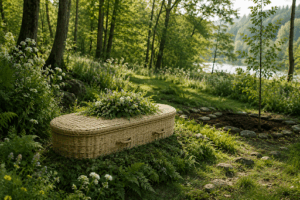
In 2026, more and more people are opting for natural burials as a way to leave a sustainable legacy. A natural burial is different from the norm because it does not employ chemical embalming and instead makes use of biodegradable caskets or wicker coffins. Because there are no elaborate monuments to pay homage to the deceased, these ceremonies, which take place in designated “green” areas of cemeteries or protected bushland, typically cost between $400 and $8,000.
Reasons Why Cremations Are Selected By Many
As a trend towards minimalism gains traction, the practice of cremation alone (direct cremation) is on the rise. By eliminating the need for a 24-hour turnaround, cremation services free families to choose between scattering ashes at sea or planting a “Living Legacy” tree. The expense of cremation is often so minimal that families are able to reinvest those savings into a more meaningful memorial service.
Burial Cost: The Unseen Factor
Be advised that the expense of a burial does not conclude with the funeral. Extra costs for maintenance and “perpetual care” could pile up over time. Many Australians choose cremation over burial services because of the convenience, affordability, and portability of the latter.
Your choice should be a reflection of your values, whether you value the tradition of burial rites or the flexibility and cheaper cost of cremation offered by modern options. Cremations are still the most economical option in 2026, even though natural burial provides a more environmentally responsible compromise.