
Guide
What to do when someone dies: the first hours, days and week
A doctor certifies the death first — then there is no rush. Step-by-step guidance for the first hours, days and week after someone dies in Australia.

Quick answer
- A doctor must certify the death first — the GP or palliative team for an expected death, 000 if it was unexpected.
- There is no rush: nothing has to happen tonight, and NSW has no legal deadline for holding a funeral.
- The next steps depend on where the death happened — at home, in hospital, in a nursing home, or suddenly.
- You choose the funeral director, wherever the death happened — they transfer your person into care and arrange the cremation or burial.
- The death certificate arrives by post a few weeks after registration; the funeral usually happens before it does.
- Picaluna answers (02) 9067 9536 24/7 across NSW, VIC and QLD, and the first call carries no obligation.
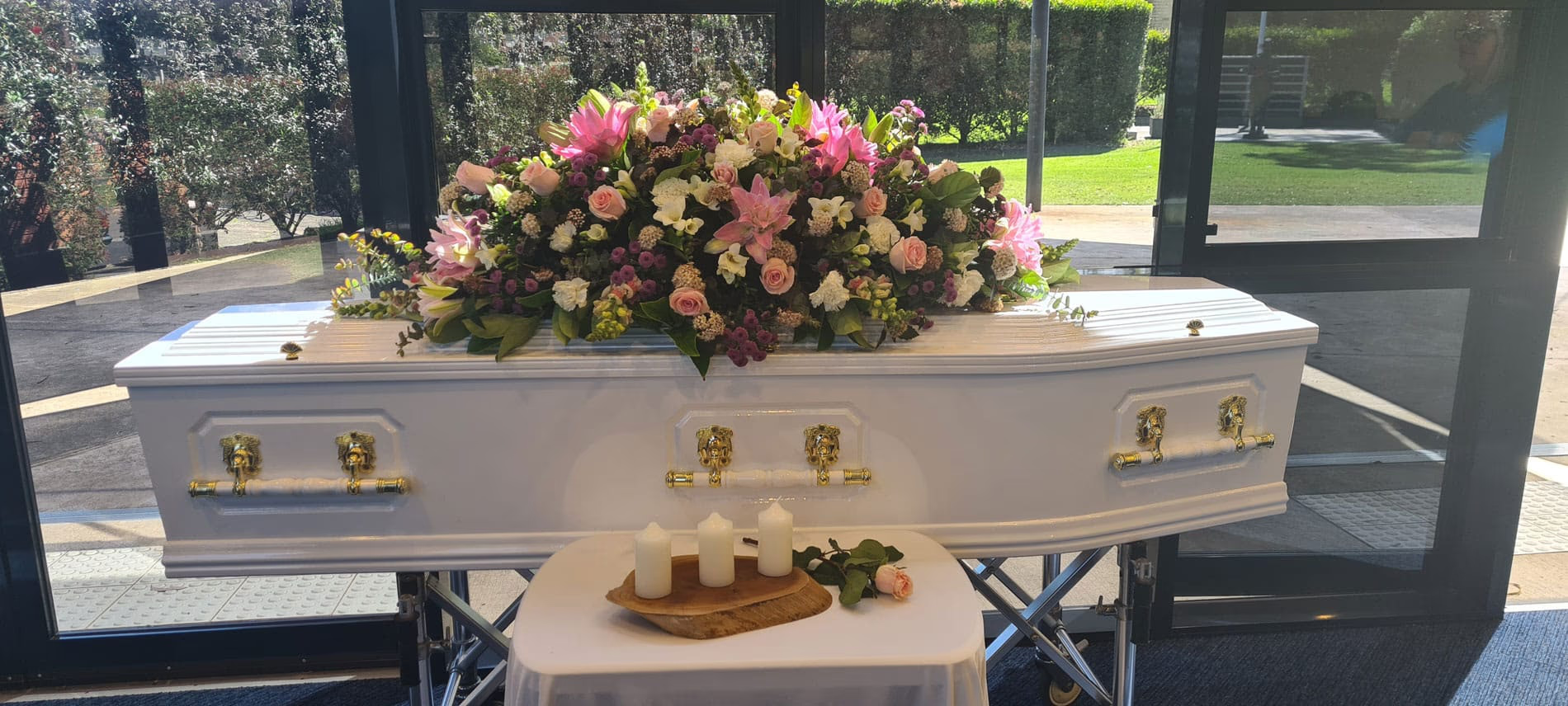
When someone dies, the first step is always the same: a doctor certifies the death. Until that happens, nothing else can begin — and once it has, there is no rush. You don’t need to choose a funeral director tonight, NSW has no legal deadline for holding the funeral, and in most settings your person is cared for where they are while you take a breath. This guide walks through the first hours, days and week in NSW, Victoria or Queensland. If you’d rather talk it through with a person, Picaluna’s funeral directors answer (02) 9067 9536 24 hours a day.
A doctor certifies the death first — and then there is no rush
Before anything else can happen, a doctor must certify that the person has died. Which doctor depends on where you are: the person’s GP or palliative care team for an expected death at home, the ward doctor in a hospital, or a GP or after-hours doctor called by staff in a nursing home. In some situations paramedics can verify a death. Certification is the formal starting point for everything that follows — the transfer into care, the registration of the death, and the funeral itself.
Once the death is certified, here is the single most important thing to know: there is no rush. Nothing has to happen tonight. You can sit with your person. You can make tea, ring a sibling, or simply be still. Families often spend hours with the person who died before anyone is moved anywhere, and in most settings that is exactly as it should be.
If it’s the middle of the night, the same holds. An after-hours doctor can certify the death, nursing home and hospital staff know these steps well, and no funeral director worth calling expects you to have answers before morning. You are allowed to go to bed.
Only two things are genuinely time-sensitive:
- If the death was sudden or unexpected, call 000. Police will attend — this is routine procedure, not an accusation — and the coroner may become involved. The full picture is in our guide to what to do after a sudden death.
- Organ and tissue donation has a short window. If the person wanted to be a donor and died in hospital, raise it with hospital staff as early as you can.
Everything else — choosing a funeral director, deciding between cremation and burial, planning a ceremony — can wait until you’ve slept and the right people are around you.
What you do next depends on where the death happened
Where someone dies — at home, in hospital, in a nursing home, or suddenly and without warning — changes who certifies the death, who makes the first call, and how quickly a funeral director needs to be involved. The same three things eventually happen in every case: a doctor certifies the death, your person is transferred into the care of a funeral director, and the death is registered. What differs is the order, the urgency, and how much of it other people handle for you.
What to do when someone dies at home
If the death was expected — for example, under palliative care — call the person’s GP or the palliative care team, not 000. Triple zero is for emergencies and unexpected deaths; for an expected death at home, no police or ambulance are needed. The doctor certifies the death, and after that your person can legally remain at home for a time. Cooling the room helps, and a home vigil is legal in NSW — some families keep their person at home overnight or longer before the funeral director transfers them into care. When you’re ready, you call the funeral director of your choice. Picaluna can collect your person at any hour, but only when you say so.
If the death at home was not expected, call 000 instead.
Read the full guide: What to do when someone dies at home.
What to do when someone dies in a hospital
If your person died in hospital, you don’t need to do anything immediately — the hospital cares for them in its mortuary while you decide what comes next. A hospital doctor certifies the death, the staff will explain any paperwork, and there is normally no urgency at all. Your task over the following days is simply to choose a funeral director, who then collects your person from the hospital and handles everything from there. The one exception to “no urgency”: if organ or tissue donation might be relevant, raise it with hospital staff straight away, because it is time-sensitive.
Read the full guide: What to do when someone dies in a hospital.
What to do when someone dies in a nursing home
When someone dies in a nursing home, the staff handle the first steps: they call the GP or an after-hours doctor to certify the death, and they call you. The one decision that arrives early is choosing a funeral director, because most homes ask for the person who died to be transferred into care within hours to a day. That choice is entirely yours — never feel pressured to use a company the facility suggests or has an arrangement with. Any funeral director you ring, including Picaluna on (02) 9067 9536, can collect your person from the home at any hour of the day or night.
Read the full guide: What to do when someone dies in a nursing home.
What to do after a sudden or unexpected death
If someone dies suddenly or unexpectedly, call 000. Police attend unexpected and unexplained deaths as a matter of routine — their presence does not mean anyone is suspected of anything — and the coroner may become involved. In a coroner’s case, your person is taken into the coroner’s care, and the funeral cannot be locked to a date until the coroner releases them. Families cannot choose the timing, which is one of the hardest parts of a sudden death. You can still choose and engage a funeral director early, and ask them to stay in touch with the coroner’s office on your behalf, so the waiting is at least not silent.
Read the full guide: What to do after a sudden death.
Who do you need to tell in the first few days?
In the first day or two, only the people closest to the person need to know: family, close friends, and — if the person was still working — their employer. Everything else can wait. Many organisations, banks especially, will ask to see the official death certificate before they finalise anything, and that certificate takes a few weeks to arrive — so there is little to gain by racing through a notification list in the first 48 hours.
A rough order that works for most families:
- Family and close friends. Ring the people who would want to hear it from you directly. Then hand the phone to someone else — ask a sibling, cousin or friend to ring the wider circle. You do not have to make every call yourself, and you shouldn’t.
- The person’s employer, if they were working — and your own employer, so you can take leave.
- Services Australia / Centrelink, if the person was receiving the Age Pension or other payments — and if you receive payments yourself and your circumstances have changed.
- Banks and financial institutions. Worth notifying within the first week or two; banks generally ask to see the death certificate before finalising accounts, so the early call starts the process rather than ends it.
- Everyone else — superannuation funds, insurers, utilities, subscriptions — genuinely can wait until after the funeral. Keep a notebook or a note on your phone and add organisations as they occur to you, rather than trying to remember everything in week one.
The message itself can be plain. “Dad died this morning. He was at home and it was peaceful. We’ll share the funeral details once they’re set” is enough — nobody receiving that call is grading it, and the people who love you will take the plainness as the kindness it is. If writing one short message and sending it to a family group chat spares you ten phone calls, do that.
If the person lived alone, a few practical things are worth adding to the first week’s list — not the first night’s: arrange care for any pets, empty the fridge of perishables, collect the mail, and check the house is locked. None of it is urgent in the first hours, and all of it is easier done with another person and a written list than alone and improvising.
The death registration itself is one notification you don’t normally make — your funeral director lodges it with the state registry as part of arranging the funeral.
What does a funeral director do, and when should you call one?
A funeral director takes over the practical work: transferring the person who died into care, completing and lodging the death registration, arranging the cremation or burial, and coordinating the ceremony if you choose to have one. A good funeral director also slows things down — answering questions, laying out the options plainly, and making sure nothing gets decided before you’re ready to decide it.
When to make the call depends on where the death happened:
- Nursing home: usually within hours to a day, because the home will ask for your person to be transferred into care.
- Hospital: over the following days. The hospital mortuary cares for your person in the meantime; there is no clock running.
- At home: whenever you’re ready for your person to be transferred. That might be an hour after the doctor leaves, or the next morning after a night’s vigil.
- Coroner’s case: any time. The funeral director can’t set a date until the coroner releases your person, but you can ask them to stay in touch with the coroner’s office for you in the meantime.
The first call should never commit you to anything — at Picaluna it doesn’t, and you should expect the same from any funeral director you ring. You don’t need anything prepared before dialling, either: the funeral director asks simple questions — who died, where they are now, who you are — and takes it from there. Before you agree to a service, though, ask for itemised pricing in writing. Picaluna publishes its pricing openly, with every inclusion listed, because comparing funeral directors is close to impossible without it.
How is the death registered, and when does the death certificate arrive?
In NSW, your funeral director normally registers the death with NSW Births, Deaths & Marriages on your behalf as part of arranging the funeral — you don’t have to visit an office or work out the forms yourself. Victoria and Queensland each have their own registry, and the details differ from state to state; your funeral director will confirm exactly how it works where you are.
After the registration is processed, the official death certificate is posted to the family. Allow a few weeks for it to arrive. The certificate matters because banks, superannuation funds, insurers and the executor of the estate generally ask to see it before they finalise anything — which is why most notifications and estate tasks naturally wait until after the funeral, and why nothing is lost by waiting.
The funeral does not usually wait for the certificate. In practice the funeral generally happens before the certificate arrives in the mail, and your funeral director will confirm the paperwork the cremation or burial itself requires.
The registration draws on details you provide about the person’s life — their full name and date and place of birth among them; your funeral director will tell you exactly what the registry asks for. Gathering those records in the first week, perhaps with help from the family historian, makes the paperwork painless. And if several family members will be dealing with banks or the estate, ask your funeral director about ordering extra certified copies of the certificate while the registration is being prepared — what each registry offers varies, and they will confirm the options.
What needs deciding in the first week — and what can wait?
Only three decisions genuinely need making in the first week: which funeral director will care for your person, whether they will be cremated or buried, and roughly what kind of farewell you want. Everything else can wait — and in NSW there is no legal requirement for a funeral to happen within a fixed number of days, so even the timing is more flexible than most people assume.
| Needs deciding in the first week | Can wait |
|---|---|
| Which funeral director takes your person into care | What happens to the ashes — no decision is needed for weeks or months |
| Cremation or burial | Memorial events, headstones and plaques |
| Whether there will be a ceremony, and roughly when and where | The will, probate and the estate |
| Checking whether the person left funeral wishes or a pre-paid plan | Sorting belongings and the house |
| A death or funeral notice, if you want people told before the service | Notifying most organisations — many will want the death certificate anyway |
Before settling anything, check whether the person left instructions: funeral wishes in their will or among their papers, or a pre-paid funeral plan. It changes the decisions from “what would they have wanted?” to “what did they ask for?” — a much lighter question to carry.
If decision-making feels impossible right now, it’s worth knowing that a direct cremation — cremation without a ceremony at the time — separates the two halves of the task. Your person is cared for now, and the farewell happens weeks or months later, planned without fog, in a place and shape your family actually wants. Many families choose it for exactly that reason.
One caveat on timing: if the coroner is involved, the funeral date waits until your person is released, and that timing isn’t yours to choose. Your funeral director will keep you updated while you wait.
How does Picaluna help when someone dies?
Picaluna’s funeral directors answer (02) 9067 9536 24 hours a day, seven days a week, across NSW, Victoria and Queensland. The first call carries no obligation — it can simply be “someone has died and I don’t know what to do,” and we will talk you through the next step and nothing more, at 2am if that’s when you need it.
When you’re ready, Picaluna arranges the transfer of your person into our care and handles the cremation or burial, with the death registration normally lodged by the funeral director as part of arranging the funeral. Our pricing is transparent and itemised — every inclusion listed before you commit — and the options run from direct cremation through to full celebrant-led ceremonies in a venue that suits your family, with livestreaming available for the people who can’t be there in person.
If a phone call feels like too much right now, contact Picaluna online and we’ll come back to you.
Related guides
Related guides
-
What to do when someone dies at home
Expected death at home: call the GP, not 000 — there's no rush, and a home vigil is legal in NSW. Unexpected death: call 000; police attending is routine.
Read more -

What to do when someone dies in hospital
When someone dies in hospital, staff certify the death and care for them in the mortuary — there is no rush. A step-by-step guide from Picaluna, 24/7.
Read more -

What to do when someone dies in a nursing home
When someone dies in a nursing home, staff call a doctor and the family. You choose the funeral director, not the facility. Picaluna: (02) 9067 9536, 24/7.
Read more -

What to do after a sudden or unexpected death
After a sudden or unexpected death in Australia: call 000, police attend as routine, and if the coroner is involved the funeral waits for release of the body.
Read more
Frequently asked questions
Do I call 000 when someone dies at home?
Only if the death was unexpected. If the person was dying and under the care of a GP or palliative care team — an expected death — call that doctor or team instead, and they will certify the death. Triple zero is for emergencies and unexpected deaths, where police attend as a matter of routine and the coroner may become involved.
How quickly does a funeral have to happen?
There is no legal deadline in NSW — no requirement for a funeral to happen within a fixed number of days — and nothing has to be decided on the night someone dies. Take the time you need to gather family. The exception is a coroner's case, where the funeral waits until the coroner releases the person who died, and the timing isn't the family's to choose.
Who registers the death and sends the death certificate?
In NSW, your funeral director normally lodges the death registration with NSW Births, Deaths & Marriages as part of arranging the funeral; other states' registries differ in the details. The official death certificate is then posted to the family — allow a few weeks for it to arrive. In practice the funeral usually happens before the certificate does; your funeral director will confirm the paperwork the service actually needs.
Do I have to use the funeral director a hospital or nursing home suggests?
No. The choice of funeral director is always the family's. A nursing home may ask for the person who died to be transferred within hours to a day, which makes it an early decision — but you can ring any funeral director you choose, at any hour, and they will collect your person. Never feel pressured into a particular company.
What happens if the coroner is involved?
Police attend unexpected or unexplained deaths as a matter of routine, and the coroner may take over. The person who died is moved into the coroner's care, and the funeral cannot be set for a fixed date until the coroner releases them. You can ask your funeral director to stay in touch with the coroner's office on your behalf and keep you informed while you wait.
How much does a funeral cost?
It depends entirely on what you choose — a direct cremation costs far less than a full ceremony with burial, with many options in between. Picaluna publishes transparent, itemised pricing so you can see exactly what's included before you commit anything: see our pricing page, or call (02) 9067 9536 for a no-obligation conversation about the options.
Can the person who died stay at home for a while?
Yes. Once a doctor has certified the death, the body can legally remain at home for a time, and a home vigil is legal in NSW. Cooling the room helps. Many families spend hours — or keep their person at home overnight — before the funeral director transfers them into care. There is no requirement to move them immediately.
Is organ or tissue donation still possible after someone dies?
Sometimes — but donation is time-sensitive, so raise it early. If the person wanted to be a donor and died in hospital, tell the hospital staff as soon as you can, and they will explain what is possible in the circumstances. The earlier the conversation happens, the more options stay open.