
Guide
What to do when someone dies at home
Expected death at home: call the GP, not 000 — there's no rush, and a home vigil is legal in NSW. Unexpected death: call 000; police attending is routine.
Quick answer
- Expected death (palliative care at home): call the GP or palliative care team — not 000.
- Unexpected death: call 000 — police attending is routine procedure, not suspicion.
- A doctor must certify the death before anything else can happen.
- There is no rush — your person can stay at home for a time, and a home vigil is legal in NSW.
- You choose the funeral director, who transfers your person into care and registers the death.
- Picaluna answers 24/7 on (02) 9067 9536.
When someone dies at home, the first phone call depends on whether the death was expected. If your person was under palliative care or their GP knew death was close, call the GP or the palliative care team — not 000. If the death was sudden or unexplained, call 000. Either way, a doctor must certify the death before anything else can happen, and beyond that one call there is no rush. Nothing has to happen tonight. You can sit with your person, make a cup of tea, and let people know in your own time.
Was the death expected or unexpected?
An expected death is one a doctor saw coming — usually because the person was receiving palliative care at home, or living with a terminal illness their GP was actively managing. An unexpected death is everything else: a sudden collapse, an accident, a death with no clear cause, or any death that no doctor anticipated. This one question decides everything about the next few hours.
Here is how the two paths differ:
- Expected death — call the GP or palliative care team. No police involvement is needed. The family keeps control of the timing of everything that follows.
- Unexpected death — call 000. Police attend and the coroner may be involved. This is routine procedure, not a sign that anyone suspects anything.
If you are not sure which applies, call 000. The operator will work through it with you, and no one will ever fault you for calling.
What do I do after an expected death at home?
Call the person’s GP or palliative care team, wait for a doctor to certify the death, and then take whatever time your family needs — your person can stay at home while everyone gathers and says goodbye.
Who do I call when someone dies at home under palliative care?
Call the person’s GP or their palliative care team — not 000. If the palliative care service gave you an after-hours number and a plan for exactly this moment, follow it. A doctor must certify the death before anything else can happen — usually the GP, or an after-hours doctor if the GP is not available. Exactly how the certification happens varies, and the GP or palliative care team will tell you what will happen in your case.
Triple zero is for emergencies and unexpected deaths, and an expected death is neither — the right call is the doctor who knew your person.
While you wait, you do not have to do anything. Turn off an electric blanket if there is one, and just be with your person.
Can the body stay at home after someone dies?
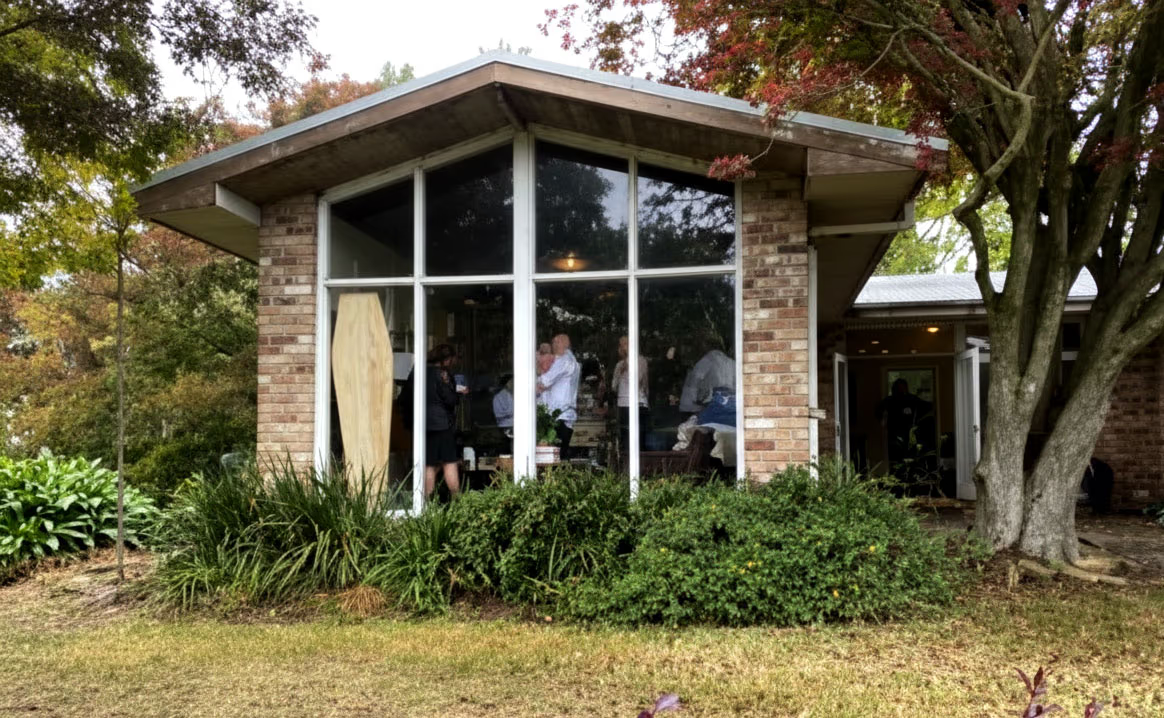
Yes. Once a doctor has certified the death, your person can legally remain at home for a time. A home vigil — keeping the person at home so family can gather, sit with them, and say goodbye — is legal in NSW. Rules differ between states, so if you are in Victoria or Queensland, ask your funeral director what applies where you are.
Cooling makes more time possible. Keep the room cool: turn off heating, close curtains against the sun, open a window on a cold night, run air conditioning or a fan. If you want to keep your person at home for longer — overnight, or for a day or more — a funeral director can talk you through cooling equipment and what is practical. Picaluna’s phone is answered 24 hours a day on (02) 9067 9536 if you want advice without committing to anything.
Is it normal to sit with the person after they die?
Completely normal — and for many families, these are the most important hours of the whole week. You can hold their hand, talk to them, play their music, wash and dress them in clothes they loved, and let children say goodbye in their own way at their own pace. Some families keep their person at home overnight and call a funeral director in the morning. None of this is unusual, morbid, or against any rule.
For most of human history, this is simply what happened when someone died at home. If sitting with your person feels right, do it. If it does not, that is equally fine — there is no correct way to spend these hours.
When do I need to call a funeral director?
When you are ready, and not before. After an expected death at home, once the doctor has certified the death, there is no deadline for the next step. Some families call within the hour because they want practical things handled; others keep a vigil and call the next day. Picaluna answers (02) 9067 9536 at any hour — a 3am call and a next-morning call are both completely normal.
What do I do after an unexpected death at home?
Call 000 straight away — nothing can move forward until the death is verified and reported. Police attending, and possibly the coroner becoming involved, is routine for unexpected deaths, not a sign of suspicion.
Who do I call after an unexpected death at home?
Call 000 and ask for an ambulance. If the death was sudden, unexplained, or no doctor saw it coming, 000 is the right number. The operator will tell you exactly what to do, including CPR if there is any chance the person can be revived. When paramedics arrive, they can verify the death in some cases; otherwise a doctor certifies it. Do not worry about whether it counts as an emergency — for any unexpected death, 000 is the right call.
Why do police attend a death at home?
Police routinely attend when a death at home is unexpected or unexplained, and it is procedure — not a sign of suspicion. They will ask routine questions about the person and what happened, and some of those questions can feel blunt at the rawest moment of your life. Answer as best you can. You have done nothing wrong, and the officers know this is procedure.
If no doctor can certify the cause of death — because no doctor knew the person’s condition well enough — the death is referred to the coroner. What happens from there varies; the police or the coroner’s office will explain the next steps, and your funeral director can liaise with them on your behalf.
What happens if the coroner is involved?
The coroner’s job is to establish the cause of death when no doctor can certify it. If the coroner takes the case, your person is moved to a coronial facility, and the funeral cannot be held until the coroner releases them. Families cannot choose the timing in coroner cases — for most people this is the hardest part, and it helps to know it from the start rather than discover it mid-planning.
You can still choose your own funeral director at any point. They will liaise with the coroner’s office, tell you when your person has been released, and hold everything ready so planning can move quickly once it can. Our guide to what to do after a sudden death walks through the coronial process in more detail.
What doesn’t have to happen tonight
Nothing about the funeral has to be decided on the night someone dies. Specifically, all of the following can wait:
- Choosing a funeral director. You can speak to more than one and compare pricing before deciding.
- The transfer into care. After an expected death, your person can stay at home until you are ready.
- Burial or cremation. This decision can wait days. There is no legal requirement in NSW for a funeral to happen within a fixed number of days.
- Telling everyone. Call the people you need tonight; the wider circle can wait until tomorrow.
- Paperwork. Registration, the death certificate, banks and superannuation all come later, and your funeral director normally lodges the registration for you.
The one exception is an unexpected death: call 000 straight away, because nothing can move forward until the death is verified and reported.
How do I choose a funeral director after a death at home?
The choice is entirely yours. No hospital, doctor, palliative care service or anyone else can choose for you, and you are never obliged to use the first company you call. Even after a coroner’s case begins, the funeral director is still the family’s decision.
Three things worth checking before you commit:
- Itemised pricing, in writing, before you sign anything. A trustworthy funeral director will tell you exactly what each item costs and what you can decline.
- Whether they will support what you actually want. A home vigil, a direct cremation with no service, a celebrant-led ceremony in a garden, a livestream for family overseas — ask directly and listen for hesitation.
- How they speak to you on the phone. You will be talking with this company often in the days ahead. If the first call feels like a sales pitch, keep looking.
Picaluna publishes transparent, itemised pricing, arranges everything from direct cremation to celebrant-led ceremonies with livestreaming, and works with families across NSW, Victoria and Queensland. Call (02) 9067 9536 any time, day or night, or contact Picaluna online.
What happens during the transfer into care?
When you decide it is time, the funeral director comes to your home and brings your person into their care. Ask them to describe exactly what will happen — any good funeral director will walk you through it on the phone before they arrive. They will move gently and take their lead from you — you can be in the room, help carry your person to the vehicle, or wait in another part of the house. All of these are normal, and none is the wrong choice.
For an expected death, the timing of the transfer is yours: straight away, after family have gathered, or the following day after a vigil at home. For an unexpected death the coroner is investigating, the first steps are out of the family’s hands — your chosen funeral director collects your person once the coroner releases them, and from that point the timing is yours again.
Two small practical notes. If your person is wearing jewellery you want to keep, either remove it before the transfer or tell the funeral director what should stay with them. And if you would like a moment alone in the room before the transfer, say so — any decent funeral director will wait.
How is the death registered, and when does the death certificate arrive?
Your funeral director normally lodges the death registration on your behalf — in NSW, with NSW Births, Deaths & Marriages. Victoria and Queensland have their own registries, and the details differ slightly from state to state — your funeral director will confirm what applies where you are. You will not need to visit an office. The funeral director collects the details needed for registration — full name, date and place of birth, parents’ names, marriages, children — while arranging the funeral.
The official death certificate is then posted to the family. Allow a few weeks for it to arrive. This registered certificate is usually the document banks, superannuation funds and the estate’s solicitor ask for — it is a different document from the doctor’s paperwork on the day of the death, and your funeral director can confirm which document each institution needs. If the estate needs extra copies, your funeral director can explain how to order them from the registry.
Related guides
This guide covers deaths at home. The companion guides cover other places and situations:
- What to do when someone dies — the full step-by-step hub, from the first hour to the funeral
- What to do when someone dies in a hospital — the hospital mortuary, paperwork, and why there is no urgency to decide
- What to do when someone dies in a nursing home — what staff do, what the family decides, and choosing your own funeral director
- What to do after a sudden or unexpected death — police, the coroner, and waiting for release
If you are reading this in the hours after a death and want to talk it through with someone, call Picaluna on (02) 9067 9536 — the phone is answered 24 hours a day — or contact Picaluna online. There is no obligation in calling, and no question is too small.
Related guides
-

What to do when someone dies: the first hours, days and week
A doctor certifies the death first — then there is no rush. Step-by-step guidance for the first hours, days and week after someone dies in Australia.
Read more -

What to do when someone dies in hospital
When someone dies in hospital, staff certify the death and care for them in the mortuary — there is no rush. A step-by-step guide from Picaluna, 24/7.
Read more -

What to do when someone dies in a nursing home
When someone dies in a nursing home, staff call a doctor and the family. You choose the funeral director, not the facility. Picaluna: (02) 9067 9536, 24/7.
Read more -

What to do after a sudden or unexpected death
After a sudden or unexpected death in Australia: call 000, police attend as routine, and if the coroner is involved the funeral waits for release of the body.
Read more
Frequently asked questions
Should I call 000 when someone dies at home?
Only if the death was unexpected. If your person was under palliative care or their doctor knew death was close, call the GP or palliative care team instead — 000 is for emergencies, and an expected death is not one. If the death was sudden or unexplained, or you are unsure, call 000 and the operator will guide you.
How long can someone stay at home after they die?
There is no single fixed limit — once a doctor certifies the death, your person can legally remain at home for a time, and many families keep a vigil overnight or longer. Keeping the room cool extends what is practical. A home vigil is legal in NSW; rules differ in other states, so ask your funeral director what applies where you live.
Do police always come when someone dies at home?
Not always. When the death was expected — under palliative care, for example — the GP or an after-hours doctor certifies the death and no police involvement is needed. Police routinely attend when a death at home is unexpected or unexplained; when they do, it is procedure for the coroner, not a sign that anyone is suspected of anything.
Who certifies a death at home?
A doctor must certify the death before anything else can happen. For an expected death, that is usually the person's GP or an after-hours doctor — exactly how it happens varies, and the GP or palliative care team will guide you. For an unexpected death, paramedics can verify the death in some cases, and if no doctor can certify the cause, the matter is referred to the coroner.
Is a home vigil legal in NSW?
Yes. In NSW it is legal to keep the person who died at home for a vigil, so family can gather, sit with them, and say goodbye before the funeral director's transfer into care. Cooling the room makes more time possible. Other states have their own rules — if you are in Victoria or Queensland, check with your funeral director.
How soon after a death at home does the funeral have to happen?
There is no legal requirement in NSW for a funeral to be held within a fixed number of days, so families can take the time they need to plan. The exception is a coroner's case: the funeral cannot go ahead until the coroner releases the person who died, and families cannot choose the timing while that process runs.
Who registers the death, and when does the death certificate arrive?
Your funeral director normally lodges the registration with the state registry — NSW Births, Deaths & Marriages in NSW — as part of arranging the funeral. The official death certificate is then posted to the family; allow a few weeks. Banks, super funds and solicitors usually ask for this registered certificate rather than the doctor's paperwork from the day of the death — your funeral director can confirm what each institution needs.