
Guide
What to do when someone dies in a nursing home
When someone dies in a nursing home, staff call a doctor and the family. You choose the funeral director, not the facility. Picaluna: (02) 9067 9536, 24/7.

Quick answer
- Nursing home staff call a GP or after-hours doctor to certify the death, and they call the family — often before anything else, especially overnight.
- There is no rush: nothing about the funeral has to happen tonight.
- The home will ask for the transfer within hours to a day, but the family chooses the funeral director — never feel pressured to use one the facility suggests.
- If the death was unexpected, police and the coroner may be involved, and the funeral waits until the coroner releases your person.
- Check for a pre-paid funeral plan before arranging the transfer — if one exists, call the company named on it.
- Picaluna answers (02) 9067 9536 24 hours a day across NSW, Victoria and Queensland and can bring your person into care at any hour.
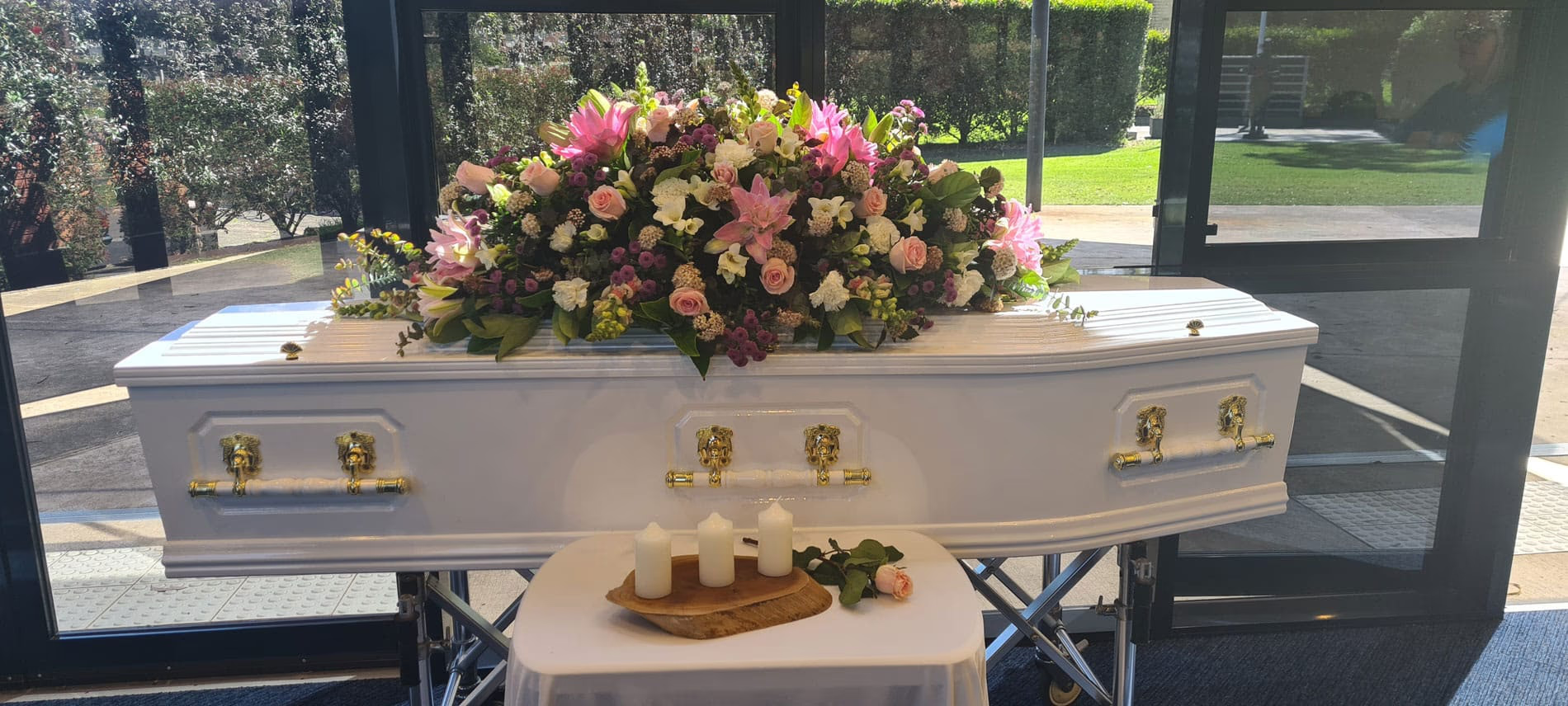
When someone dies in a nursing home, the staff handle the first steps. They call a doctor — usually the resident’s GP, or an after-hours doctor overnight — to certify the death, and they call the family. If it happens at night, that phone call to you often comes first, and you’ll usually be invited to come in and sit with your person. The home will then ask you to nominate a funeral director to bring them into care, typically within hours to a day. That choice is yours alone. Picaluna answers (02) 9067 9536 24 hours a day, across NSW, Victoria and Queensland.
There is no rush. Nothing about the funeral has to happen tonight. The only near-term practical step is deciding who will collect your person from the home — and even that can wait until you’ve sat with them, had a cup of tea in the family room, and phoned the people who need to know. The service, the venue, cremation or burial, dates — all of that comes later, at your pace.
What happens straight after someone dies in a nursing home?
The nursing home staff manage the immediate steps, and the family’s only job is to come in if and when they want to. Aged care staff deal with death regularly and have a clear process. In a typical sequence:
- Staff confirm that the person has died and note the time.
- They call the family — usually the nominated next of kin. Overnight, this call often happens before anything else, and staff will ask whether you’d like to come in.
- They call a doctor — the resident’s GP during the day, or an after-hours doctor at night — to certify the death.
- They prepare your person and the room so that family can sit with them, with privacy, for as long as is reasonably possible.
- They ask which funeral director you’d like for the transfer into care.
If you get that phone call at 2am, you do not have to have answers. It is completely fine to say “we’ll come in, and we’ll decide on a funeral director in the morning.” Staff hear this constantly, and a good facility expects it.
Who certifies the death in a nursing home?
A doctor must certify the death before anything else can happen — in a nursing home that’s usually the resident’s regular GP, or an after-hours doctor if the death happens outside surgery hours. When the death was expected, this part is straightforward: the doctor confirms the death and completes the medical paperwork. Exactly which documents are needed before a cremation or burial can go ahead varies — your funeral director will confirm what applies and handle the paperwork with the doctor and the home.
Police are not involved in an expected death. There are no sirens and no investigation — just a doctor, the staff, and your family.
The timing of certification varies from home to home. Overnight, the doctor may not attend until morning — and because the death must be certified before anything else can happen, the transfer waits for the certification too. None of that stops you from sitting with your person, or from phoning a funeral director so the transfer is arranged and ready; your funeral director will confirm the timing with the staff.
An unexpected or unexplained death follows a different path: it may be reported to the coroner, and police may attend. Our guide to sudden and unexpected deaths explains that process in full.
Do we have to use the funeral director the nursing home suggests?
No. The family chooses the funeral director — always. Some facilities have a provider they routinely call, a brochure at reception, or a long-standing informal arrangement. None of that obliges you. Never feel pressured to accept the facility’s suggested provider: the suggestion is sometimes genuinely helpful and sometimes just habit, but either way it is only a suggestion, and you can name any funeral director you like, anywhere in NSW, Victoria or Queensland.
If you’re asked “who’s your funeral director?” and you don’t have an answer, say so. “We haven’t decided yet — we’ll let you know in a few hours” is a perfectly good response, and a reasonable facility will accept it without fuss.
It’s worth taking even a short pause here, because the funeral director you choose shapes everything that follows: the cost, the kind of ceremony, how your family is treated. Compare at least two providers if you can, and ask each for an itemised quote. Picaluna publishes transparent, itemised pricing precisely so families aren’t making this decision blind at 3am. Call (02) 9067 9536 — the line is answered 24 hours a day, and the person who answers can take care of the transfer while leaving every other decision for later — or contact Picaluna online.
How quickly does the body have to be moved from the nursing home?
Most nursing homes ask for the transfer within a few hours to a day. The exact window is the facility’s own and varies from home to home — ask the staff what theirs is, and tell them if you need longer. This is the one genuinely time-sensitive practical step after a nursing home death — and even then, “time-sensitive” means hours, not minutes.
Two things are worth holding onto:
- Agreeing to a transfer tonight does not commit you to a funeral this week. There is no legal requirement in NSW for the funeral itself to happen within any fixed number of days — the transfer window is the home’s practical request, separate from any funeral timeline.
- Choosing who does the transfer is not choosing the whole funeral. When Picaluna brings your person into our care, that is all that has been decided. Whether you want a direct cremation, a burial, or a full celebrant-led ceremony with livestreaming for family who can’t travel — those conversations happen over the following days, when you’re ready.
When you call (02) 9067 9536, we arrange the transfer directly with the nursing home, at any hour. You don’t need to be there for it unless you want to be.
Can we sit with our person before the transfer happens?
Yes. Staff will usually prepare your person and the room so the family can spend time together before the funeral director arrives, and most homes are generous about this. If relatives are an hour or two away and want to say goodbye, tell the staff — most facilities will hold the transfer if you ask. If you’d like the collection to wait until a particular family member has been, say so plainly. A good funeral director times the transfer around your family, not the other way round.
What happens to their room and belongings?
The room and belongings are sorted out in the days after the death — not on the night. Every facility sets its own timeframe for clearing the room, so ask the staff directly what theirs is, and ask for more time if you need it. A few practical points that catch families out:
- Jewellery and valuables on your person. Tell the staff and the funeral director clearly what should stay with them — a wedding ring, for example — and what should come back to the family. Ask for it to be written down.
- Glasses, hearing aids and dentures. Decide whether these travel with your person. Families planning a viewing often want dentures and glasses to stay with them, so mention it at handover and nothing gets misplaced.
- The room itself. You don’t have to pack anything on the first visit. When you do clear it, bring more boxes than you think you’ll need and another person if you can — it’s a heavier task emotionally than physically.
- Paperwork. As you go, set aside the will, any funeral plan, insurance documents and identity documents. You’ll need some of them for the death registration and the estate later, so keep them together even if unsorted.
The home’s administration will be in touch about final fees in the days that follow — what that involves varies by facility and by resident, and it’s a routine administrative process with its own pace. Not something anyone needs to think about on the night.
What if the death was unexpected?
If the death was unexpected, unexplained, or the doctor is unable to certify the cause, the death may be reported to the coroner — and the process changes. Police attend as part of that process; their presence is procedure, not suspicion of anyone. The coroner then decides whether further investigation is needed, and your person remains in the coroner’s care until they are released.
The honest, hard part: in a coroner’s case the family cannot choose the timing. The funeral can’t be confirmed until the coroner releases your person, and how long that takes varies case by case. What you can do in the meantime is choose your funeral director and plan around an unfixed date — a good funeral director will liaise with the coroner’s office and tell you the moment a release happens.
When a death was expected and a doctor can certify the cause, the coroner is not involved at all. If yours is one of the exceptions, our guide to what to do after a sudden or unexpected death walks through the coroner process step by step.
What if there’s a pre-paid funeral plan?
If a pre-paid funeral plan exists, the funeral has already been chosen and paid for — your first call should be to the funeral company named on the plan, ideally before the transfer happens. A pre-paid plan ties the funeral to a specific provider, and that provider would normally carry out the funeral, including collecting your person from the nursing home — call them and they will confirm exactly what the plan covers.
How to find out quickly whether a plan exists:
- Ask the nursing home staff to check the admission records. Funeral wishes and plan details are sometimes noted when someone moves into aged care.
- Check their paperwork. Plan certificates often sit with the will, in a folder of important documents, or with their solicitor.
- Ask siblings and close friends. Pre-paid plans are often mentioned casually, years earlier.
If you genuinely can’t establish it on the night, don’t panic — tell whichever funeral director you call that a plan may exist, and sort it out in daylight. And if your person told the family what they wanted but never paid for anything, that’s not a pre-paid plan — those are wishes, which you’re free to honour with any provider you choose. Picaluna also offers pre-paid funeral plans if, after all this, you’d like to spare your own family the same scramble one day.
What happens in the days after the transfer?
Nothing else is urgent, and the remaining steps mostly happen around you. Once your person is in the funeral director’s care:
- The death is registered with the state registry. In NSW that’s NSW Births, Deaths & Marriages; Victoria and Queensland have their own registries. Your funeral director normally lodges the registration — you don’t do it yourself.
- The official death certificate is posted to the family. Allow a few weeks for it to arrive. Banks, superannuation funds and the estate process will ask for it later — and in practice the funeral doesn’t usually wait for the posted certificate. Your funeral director will confirm the paperwork timing.
- You plan the funeral at your own pace. There is no legal deadline in NSW for when a funeral must happen. Some families hold a service within the week; others wait for relatives travelling from overseas. Both are normal.
The shape of the funeral is entirely open at this point — from an unattended direct cremation with a memorial gathering later, to a graveside burial, to a celebrant-led ceremony in a place your person actually loved. Picaluna’s pricing is itemised and public, so you can see exactly what each choice costs before committing to anything, and we can livestream the service for family who can’t be there.
If you’re reading this in the middle of the night with the nursing home waiting on an answer, call (02) 9067 9536. The person who answers can arrange the transfer and leave every other decision for morning.
Related guides
- What to do when someone dies — the complete guide — the full first-steps walkthrough, whatever the circumstances.
- What to do when someone dies at home — expected deaths at home, palliative care, and home vigils.
- What to do when someone dies in a hospital — how the hospital mortuary changes the timing, and why there’s even less rush.
- What to do after a sudden or unexpected death — police, the coroner, and planning a funeral around an unfixed date.
Related guides
-

What to do when someone dies: the first hours, days and week
A doctor certifies the death first — then there is no rush. Step-by-step guidance for the first hours, days and week after someone dies in Australia.
Read more -
What to do when someone dies at home
Expected death at home: call the GP, not 000 — there's no rush, and a home vigil is legal in NSW. Unexpected death: call 000; police attending is routine.
Read more -

What to do when someone dies in hospital
When someone dies in hospital, staff certify the death and care for them in the mortuary — there is no rush. A step-by-step guide from Picaluna, 24/7.
Read more -

What to do after a sudden or unexpected death
After a sudden or unexpected death in Australia: call 000, police attend as routine, and if the coroner is involved the funeral waits for release of the body.
Read more
Frequently asked questions
Does the nursing home choose the funeral director?
No. The family always chooses the funeral director. A facility may suggest a provider it routinely works with, but that suggestion carries no obligation, and you can name any funeral director operating in your state. If you're asked before you've decided, say you need a few hours — a reasonable home will accept that without fuss.
Do police come when someone dies in a nursing home?
Not for an expected death. When a death in aged care is expected, a GP or after-hours doctor certifies it and no police are involved — just the doctor, the staff and your family. Police attend only if the death was unexpected or unexplained and is reported to the coroner, and even then their presence is procedure, not suspicion of anyone.
The home called at 2am — do we have to come in straight away?
No. The overnight call is to tell you what has happened and ask what you'd like to do; it is not a deadline. You can go in immediately, wait until morning, or not go in at all — all of these are normal. Staff will care for your person in the meantime, and the funeral director can be decided after you've had time to think.
How long can someone stay at the nursing home after they die?
Usually a few hours to a day, though the exact window is the facility's own and varies from home to home — ask the staff what theirs is. There is normally time to sit with your person and for close family to arrive first. And the window applies only to the transfer: there is no legal requirement in NSW for the funeral itself to happen within a fixed number of days.
Who registers the death and gets the death certificate?
The funeral director normally lodges the death registration with the state registry — in NSW, that's NSW Births, Deaths & Marriages. The official death certificate is then posted to the family; allow a few weeks for it to arrive. Banks, superannuation and the estate will ask for it later, and in practice the funeral doesn't usually wait for it — your funeral director will confirm the paperwork timing.
What if there's a pre-paid funeral plan with a different company?
Call the company named on the plan — ideally before the transfer happens. A pre-paid plan ties the funeral to a specific provider, and that provider would normally carry it out, including collecting your person from the home. Nursing home admission records sometimes note plan details, so ask the staff to check if you can't find the paperwork.