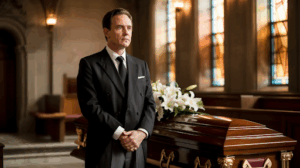

There is an instant and tremendous onslaught of clinical procedures and logistical strain when a loved one dies in a hospital environment. Professional funeral homes are there to help you through the initial few hours, connecting you with medical care and ensuring a respectful goodbye. Clear information about mortuary schedules and legal paperwork is necessary to navigate the change from a hospital ward to a memorial service. This article makes it easier to grasp the importance of funeral homes in handling the first two days after a death, allowing you to concentrate on what’s most important: paying tribute to a life well-lived.
The First Stage: Quick Measures and Making Contact
Immediately following a patient’s death, the clinical setting in a hospital ward changes. The last tasks of the medical staff will be to confirm the death and prepare the body for burial. There is a lot of strain on families at the moment, but they don’t know what to do or in what order.
Who should I contact first?
You should contact a local funeral director or funeral home in Australia as soon as possible because the personnel will take care of any urgent medical needs in a hospital. In terms of planning what comes next, they are the ones to rely on most. Additionally, you need to inform the family members and the person designated to carry out the will’s executor duties. You won’t have to contact emergency services like 911 or police because the hospital will offer the Medical Certificate of Cause of Death. You will usually need to wait for the coroner’s clearance before your selected funeral home can come get your loved one if the hospital notifies you that the death has been referred to them.
Keep in mind that this initial contact does not require you to have all of the funeral arrangements finalised. A hospital’s grief office needs a point of contact, and the principal reason to contact funeral homes is to get authorisation to transfer the body into professional care.
Step 2: The Mortuary at the Hospital and When It Occurs
The “ticking clock” at the hospital is a common source of worry for loved ones. Many people wrongly believe that the body needs to be transferred within a short period of time.
Mortuary Timelines
The average amount of time a corpse spends in a mortuary is…. In most cases, the mortuary at a hospital can keep a body for up to two days. Even though hospitals provide this free cold storage, they aren’t equipped to handle long-term storage needs. In the first two days after the death, it is recommended that you choose a funeral home and organise transportation to their private cemetery. Please inform the hospital’s Bereavement Liaison Officer or social worker of any specific reasons that may necessitate an extended stay, such as cultural practices or the time it takes for relatives to fly into Australia. Some institutions may be able to allow slightly longer stays in certain cases.
The administrative staff at the hospital will be finishing up all the required documentation during this time. This “grace period” gives you the opportunity to look into many funeral homes to locate one that suits your needs in terms of price, values, and cultural observances.
Third Stage: Legal Framework and Documentation
Between the hospital and the last resting place in Australia’s administrative environment, documentation is the bridge. There are two main documents that families often find confusing.
Certificates and Legalities
- Official Death Certificate vs. Cause of Death Certificate: Two separate legal documents here. Funeral homes require the Medical Certificate of Cause of Death (MCCD), which is issued promptly by the hospital doctor, in order to begin arrangements for the body’s transportation. This proves that the clinical cause of death was correct.
- State Registry: On the other hand, if you live in a state like New South Wales, Victoria, or Queensland, you can get a death certificate from the state’s Registry of Births, Deaths, and Marriages. Once the funeral directors have reported the death, it often takes 2-4 weeks for this to arrive. If you need to close bank accounts, seek for probate, or manage the estate of someone who has passed away, you will require this official certificate.
When the Coroner is Notified
It is the responsibility of the Australian government’s Coroner to investigate any deaths that are deemed “reportable.” This includes fatalities that were not anticipated, happened as a consequence of an accident, happened during or right after surgery, or for which the precise cause cannot be ascertained by the doctor. It may take some time for the hospital to provide a death certificate after a referral. If an autopsy or investigation is necessary, the coroner’s office will be the one to handle it. This is a common legal precaution to make sure all hospital deaths are correctly recorded and understood, but it can be upsetting and might cause a little delay in funeral ceremonies.
Final Viewings and Personal Belongings Chapter 4
Taking care of the tangible belongings left behind is a realistic way to find closure at a time of transition like the hospital.
Personal Items and Viewings
- Gathering personal items: Typically, the ward personnel at the hospital will gather the deceased’s clothes, eyeglasses, and other smaller personal possessions. The usual places to get these are the patient files/admissions office or the ward clerk. It may be necessary to present picture identification and sign a release form in order to access the hospital safe, which contains valuables such as jewellery or substantial sums of money. Due to storage limitations and the fact that hospitals are no longer liable for lost property after a patient has been officially released, it is imperative that these goods be collected within 24 hours.
- Hospital Viewings: Is it possible for me to visit the mortuary and see my deceased loved one there? A viewing room, sometimes called a “Quiet Room” in Australian hospitals, is typically located in the mortuary or grief suite. Contacting the mortuary technician or the hospital’s social work department is usually the best way to arrange a last viewing. But these inspections are usually quick and clinical. Your loved one can be transferred to the funeral home at your convenience, allowing you extra time for a private, traditional viewing. To ensure that hospital workers are available to assist with a viewing, it is important to call ahead.
Step 5: Financial Openness and Expenses
The cost of a funeral can quickly add up, so it’s important to know what your financial obligations are in comparison to those of the hospital.
Average Expenses
What is the average expense for a hospital death? The first medical certificate, medical treatment, and hospital mortuary stay are all free of charge. There will be no fees associated with “releasing” the body from the hospital. When you involve funeral homes, your expenses will start. Expert funeral services, specialised transportation, funeral home care, and the final cost of the formal death certificate all contribute to these totals. As a public service, the family is not charged for a coronial autopsy if one is necessary.
Make sure to request a “Key Service Information” document or an itemised, transparent estimate whenever you compare funeral services. Everything from the casket and flowers to the celebrant and chapel expenses may be clearly seen in this.
Step 6: Choosing the Appropriate Expert Assistance
There is a great deal of individuality involved in selecting a funeral home. In Australia, you may find everything from huge corporations to mom-and-pop shops.
Considerations for Interviewing Funeral Directors
Think about these things when you interview funeral directors:
- Is the home familiar with your religion or cultural practices? This will help determine cultural compatibility.
- Where is the funeral home located? Will it be easy for relatives to get to for viewings and meetings?
- Honesty: Do they disclose all fees and the differences between “No Service, No Fuss” cremations and more ornate burials?
- Review the providers’ membership in relevant professional organisations, such as the Australian Funeral Directors Association (AFDA), to assess their reliability.
There is no doubt that the initial two days following a death in the hospital are challenging, but you are not alone. With a clear grasp of the responsibilities of the medical personnel, the Coroner, and the funeral directors you’ve selected, you can easily traverse the necessary paperwork. Remembering your loved one should always be your top priority. In order to give you the time and space to grieve and celebrate a life well-lived, professional funeral services are there to take care of all the details. It makes a world of difference to have the correct support system, whether you are looking for a modern monument or a traditional ceremony.
FAQs
1. In the event of a death in a hospital, is it necessary to notify the authorities?
No. The legal “verification of death” is assumed by the medical personnel when a death takes place in a hospital. While the police are usually called in to help coordinate with a doctor in the event of a sudden death at home, the hospital takes care of all the first clinical formalities. An accident, abrupt event, or problems during a procedure are the only grounds for referring a death to the Coroner, and only then may the police become involved.
2. Is there a time limit before Probate is issued that the bank can disburse monies for funeral costs?
For the most part, yes. Although the cash in a deceased person’s bank account are usually frozen, funeral houses in Australia can usually get their hands on the money by presenting the original invoice for the service together with a medical certificate proving the cause of death. Without having to wait months for the processing of the Will or a Grant of Probate, families are able to meet crucial funeral expenses.
3. To begin with, what exactly is a “Bereavement Liaison Officer,” and how may they be of assistance to me?
Hospitals often employ social workers or bereavement liaison officers to help families cope with the immediate aftermath of a death in the family. They will be able to guide you through the paperwork that is unique to the hospital, provide you information on how to gather your stuff, and even give you a list of funeral directors in the area. If you need to arrange for a specific cultural or religious rite to be performed before your loved one is transferred from the hospital, they are also the main people to contact.
4. After a patient passes away, is it still possible to donate their organs?
Indeed, time is of the essence. It is imperative that you inform the hospital personnel without delay if a loved one has indicated a desire to give or was a registered donor. Donating a heart or lungs necessitates keeping the patient on life support, but corneas, skin, and heart valves are frequently able to be donated even after the heart has ceased beating, which is a significant improvement. After contacting the patient’s next of kin, the hospital will verify their organ donation status with the Australian Organ Donor Register.
5. I would prefer not to have my loved one taken to a funeral home; is that an option?
It is allowable to bring the corpse home for a private viewing or “cooling period” before the funeral in Australia, as long as you possess the Medical Certificate of Cause of Death. On the other hand, a “cool plate” or other method of temperature regulation and careful transportation coordination is required. For the sake of everyone’s health and safety, the majority of families opt to have funeral directors oversee the transport from the hospital to their house.